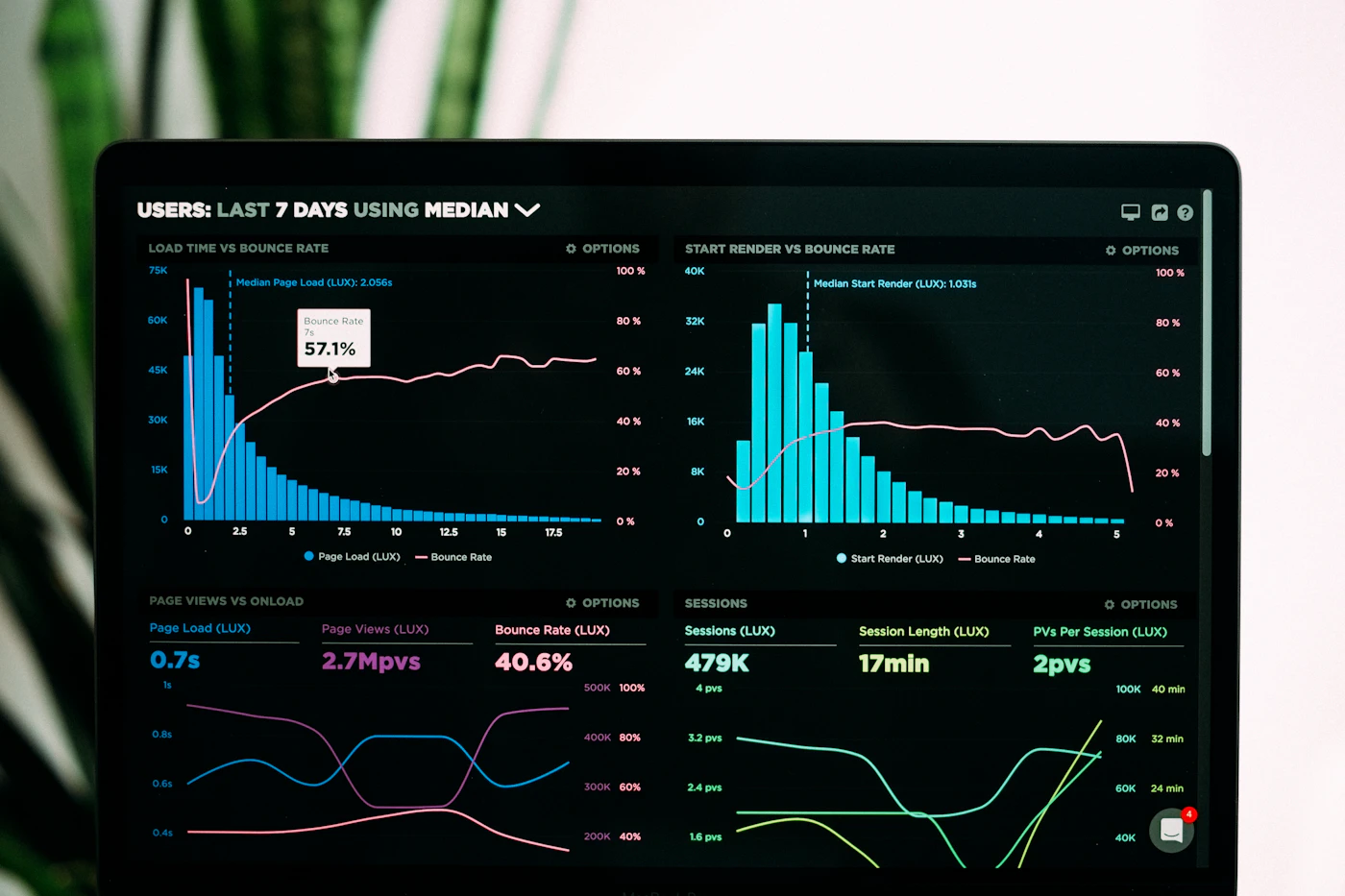
Most Lebanese SMEs we meet are drowning in data and starving for insight. Zoho Analytics is the bridge — and it's already inside Zoho One.
What Zoho Analytics does
Zoho Analytics is a self-serve BI platform — drag-and-drop dashboards, drill-down reports, AI-assisted insights. It pulls data from Zoho CRM, Books, People, Inventory, Desk and 250+ third-party sources (Google Ads, Facebook, MySQL, Excel, you name it).
Connect your data sources
Most Lebanese SMEs start with three sources:
- Zoho CRM — leads, deals, sales-rep activity
- Zoho Books — revenue, expenses, profit
- Zoho Inventory — stock levels, fast/slow movers
Connecting takes about 5 minutes per source — no SQL required.
Dashboards Lebanese SMEs actually use
- Sales pipeline dashboard — deals by stage, by rep, by region; conversion rates over time
- Cash-flow dashboard — receivables aging, payables, cash position by currency (USD/LBP/EUR)
- Customer P&L — revenue, COGS, and net margin per customer (catches loss-makers early)
- Inventory health — stock-out risk, slow movers, dead stock value
- Support performance — tickets by channel, SLA breach rate, CSAT trend
Ask Zia in plain English
Zoho Analytics includes Zia, an AI assistant. You can literally type "show me top 10 customers by revenue last quarter" and Zia builds the chart. For Lebanese teams who don't have a data analyst, this is the difference between actually using BI and never using BI.
"Our finance manager asked Zia for a quarterly margin trend by product line during a board meeting. The chart appeared in 30 seconds. We made a strategy decision in real time."— CFO, Beirut services firm
Sharing & permissions
Dashboards can be shared via secure links, embedded in Zoho CRM, or scheduled as PDF emails. You control who sees what at the workspace, dashboard, and even row level. Critical for Lebanese SMEs where the leadership team is small and trust matters.
Ready to talk to a Beirut-based Zoho consultant?
Free 30-minute call. Honest scope, honest pricing.
Book a free call →